Autumn scents for candles: how to plan the season in your workshop
Autumn is the busiest period in a candle workshop's calendar. Interest in pumpkin, spicy, and bakery notes grows as early as August, and sales of finished candles peak in October and November. For a creator, this means a simple rule: scents must be in stock before customers start asking for them.
Which notes build the autumn line?
The season is based on four groups that complement each other well and allow for building a cohesive collection without repeating the same profile:
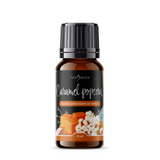
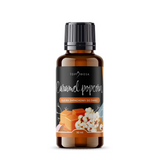
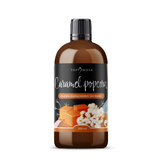
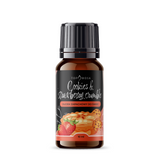
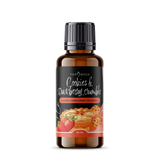
- Baked goods and desserts: pumpkin, apple with cinnamon, cookies, caramel. The fastest-moving group, good for the start of the season.
- Spicy notes: cinnamon, cloves, orange with spices. They create a feeling of warmth and sell very well in November.
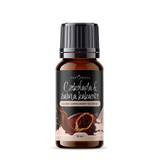
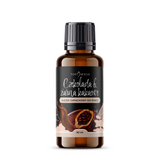
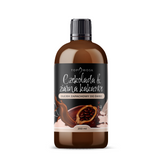
- Creamy gourmands: vanilla, chocolate, coffee with milk. Sure-fire hits that also work off-season.
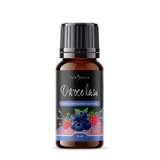
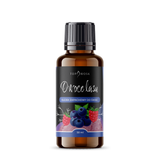
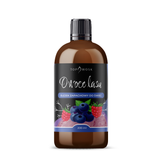
- Soft accents: shea butter with honey, violet, forest fruits. They provide a break from sweetness and diversify the offer.
Dosing and curing autumn compositions
The recommended concentration for each oil is provided on the product card, along with the flash point. The fragrance is added to melted wax at the temperature indicated for the given raw material and mixed thoroughly until the composition blends with the mass. It's worth setting aside finished candles for curing, usually from 7 to 14 days. During this time, the fragrance molecules bind to the wax structure, and the candle reaches its full strength when burned. Spicy and bakery notes are particularly rewarding in this regard, as they gain a depth after curing that is not noticeable immediately after pouring.
When to order supplies for autumn
Our sales data shows that creators buy autumn notes significantly earlier than consumers buy finished candles. The first wave of orders occurs in August, the second at the turn of September and October. If you are planning markets or a larger custom series, be aware that the most popular fragrances sell out first, and replenishing stock in the middle of the season can be more difficult. A safe plan is to order samples beforehand, choose three or four leading fragrances, and then buy larger quantities when you know what sells best in your offer.
Documentation for legal sale
Each oil comes with an IFRA certificate, a safety data sheet, and a list of allergens needed for the CLP label. This allows you to sell your finished candle without having to collect documents yourself, even if you sell at markets or in brick-and-mortar stores.
 PLN
PLN