


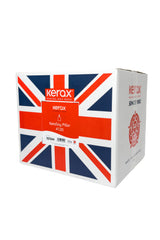
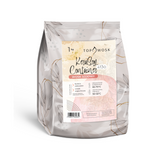
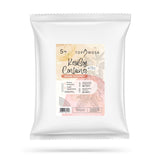
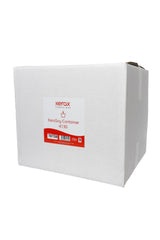
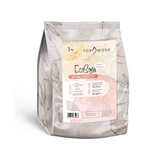
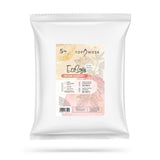


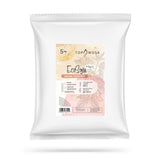
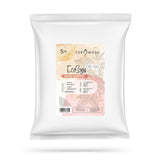



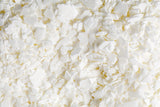


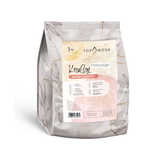
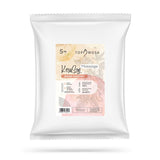
Przez długi czas zmagałam się z dołkami wokół knota, nierówną powierzchnią po zastygnięciu i estetycznym niefartem na samej górze świecy. Spróbowałam cerezyny i różnica jest kolosalna
Wszystko super
Do zamówień od 179 zł dodajemy 3 barwniki 10 ml gratis. Wyprzedaż końcówki partii!
Dołącz do naszej grupy na facebooku: Kliknij tutaj
Place your order and pay for it in 30 days with PayPo!
Free delivery for orders over 299 PLN.
Collect and redeem points in the loyalty program.
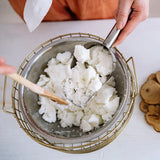
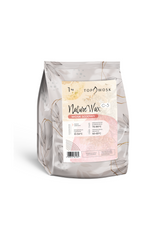
Create the perfect candle – from A to Z. Choosing the right wax is the heart of your project and the key to success. The raw material determines how long a candle will burn, how intensely it will release its fragrance, and whether its surface will delight with its perfect smoothness. In our store, you'll find carefully selected candle waxes that will help you achieve your dream effect. We specialize in natural soy waxes, valued for their eco-friendly nature and beautiful, matte finish. We offer raw materials ideal for container candles and freestanding candles (made from molds). Whether you're just starting out or an experienced candle maker, we have something for you. Discover our collection below and choose the wax with which you can start creating something unique!
Good wax is the foundation of a durable, aesthetically pleasing, and clean-burning candle. Different raw materials bind fragrance differently, cool, and shrink when poured. Before choosing, determine the shape of your candle (glass container, silicone mold), its diameter and the nature of the scent (delicate or expressive).Soy wax, depending on the type, works great in container candles, and its special, harder varieties are also intended for freestanding candlesBeeswax works well on natural pillars, while paraffin wax is suitable for projects requiring shape stability and shine.
Below we present the most popular types of waxes along with their key features and applications.
Start with the purpose: jar candle or freestanding candle?
Soy wax:
Beeswax:
Paraffin:
Melting and mixing:Top wax slowly inwater bathor melter. Stir gently to avoid air entrapment. Add fragrance at the temperature recommended by the manufacturer.
Preparation and pouring:Warm the containers before pouring to avoid "wet spots" along the walls. Pour the wax slowly and steadily.
Conditioning (curing):Let your candles rest for 24 hours to up to 2 weeks before burning them for the first time. This time allows the wax to fully bind with the fragrance.
Wick selection:Always match the wick to the candle's diameter and wax type. Test two or three sizes to find the one that provides a steady, even flame.
Security:Never overheat wax or leave it unattended. Work in a well-ventilated area.
The choice of wax determines the aesthetics, fragrance, and safety of your candle. We hope this guide has made your decision easier. Define your goal, match the raw material to the form and scent, and then test and refine your designs.
Ready to get started? Our shop has everything you need—from trusted waxes and wicks to fragrance oils. Create candles that bring peace and warmth to any interior!
The product matches the description. The instructions on how to make your first soy candle are very clear. The advantage of the kit is that you receive everything you need to create your first candle. I recommend it ⭐
The product matches the description. Everything is included, and the quality is good. The wax melts perfectly. There's a wide variety of colors and scents to choose from. I am very satisfied. I recommend it!
Products as described. Fast shipping, which I really appreciate about your store. I recommend you with all my ❤️
I recommend all products, they match the descriptions, shipping and order fulfillment were very efficient. The products were very well protected. I recommend 🙂
Lightning-fast delivery. Beautiful scents. The package was securely packed. This was my first purchase, and it won't be my last. I highly recommend it.
Fast order fulfillment, great service, good customer contact, a loyalty program where you can choose products with points. Free delivery available for larger orders. I recommend the TopWosk store ;)
Our customers' satisfaction is important to us. Thank you for your trust and for sharing your feedback.
The product matches the description. The instructions on how to make your first soy candle are very clear. The advantage of the kit is that you receive everything you need to create your first candle. I recommend it ⭐
The product matches the description. Everything is included, and the quality is good. The wax melts perfectly. There's a wide variety of colors and scents to choose from. I am very satisfied. I recommend it!
Products as described. Fast shipping, which I really appreciate about your store. I recommend you with all my ❤️
I recommend all products, they match the descriptions, shipping and order fulfillment were very efficient. The products were very well protected. I recommend 🙂
Lightning-fast delivery. Beautiful scents. The package was securely packed. This was my first purchase, and it won't be my last. I highly recommend it.
Fast order fulfillment, great service, good customer contact, a loyalty program where you can choose products with points. Free delivery available for larger orders. I recommend the TopWosk store ;)
The product matches the description. The instructions on how to make your first soy candle are very clear. The advantage of the kit is that you receive everything you need to create your first candle. I recommend it ⭐
The product matches the description. Everything is included, and the quality is good. The wax melts perfectly. There's a wide variety of colors and scents to choose from. I am very satisfied. I recommend it!
Products as described. Fast shipping, which I really appreciate about your store. I recommend you with all my ❤️
I recommend all products, they match the descriptions, shipping and order fulfillment were very efficient. The products were very well protected. I recommend 🙂
Lightning-fast delivery. Beautiful scents. The package was securely packed. This was my first purchase, and it won't be my last. I highly recommend it.
Fast order fulfillment, great service, good customer contact, a loyalty program where you can choose products with points. Free delivery available for larger orders. I recommend the TopWosk store ;)
The product matches the description. The instructions on how to make your first soy candle are very clear. The advantage of the kit is that you receive everything you need to create your first candle. I recommend it ⭐
The product matches the description. Everything is included, and the quality is good. The wax melts perfectly. There's a wide variety of colors and scents to choose from. I am very satisfied. I recommend it!
Products as described. Fast shipping, which I really appreciate about your store. I recommend you with all my ❤️
I recommend all products, they match the descriptions, shipping and order fulfillment were very efficient. The products were very well protected. I recommend 🙂
Lightning-fast delivery. Beautiful scents. The package was securely packed. This was my first purchase, and it won't be my last. I highly recommend it.
Fast order fulfillment, great service, good customer contact, a loyalty program where you can choose products with points. Free delivery available for larger orders. I recommend the TopWosk store ;)


Przez długi czas zmagałam się z dołkami wokół knota, nierówną powierzchnią po zastygnięciu i estetycznym niefartem na samej górze świecy. Spróbowałam cerezyny i różnica jest kolosalna
Wszystko super